Hosting goats on your alpine pasture
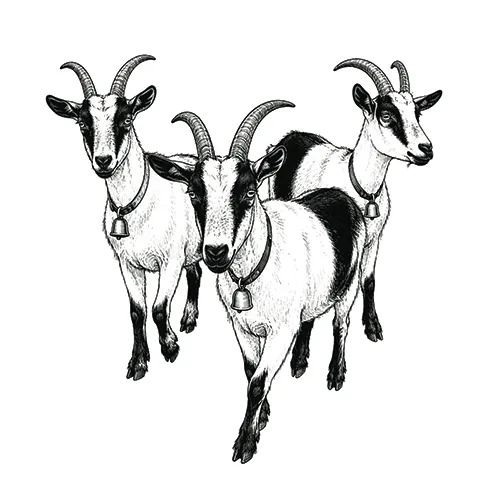
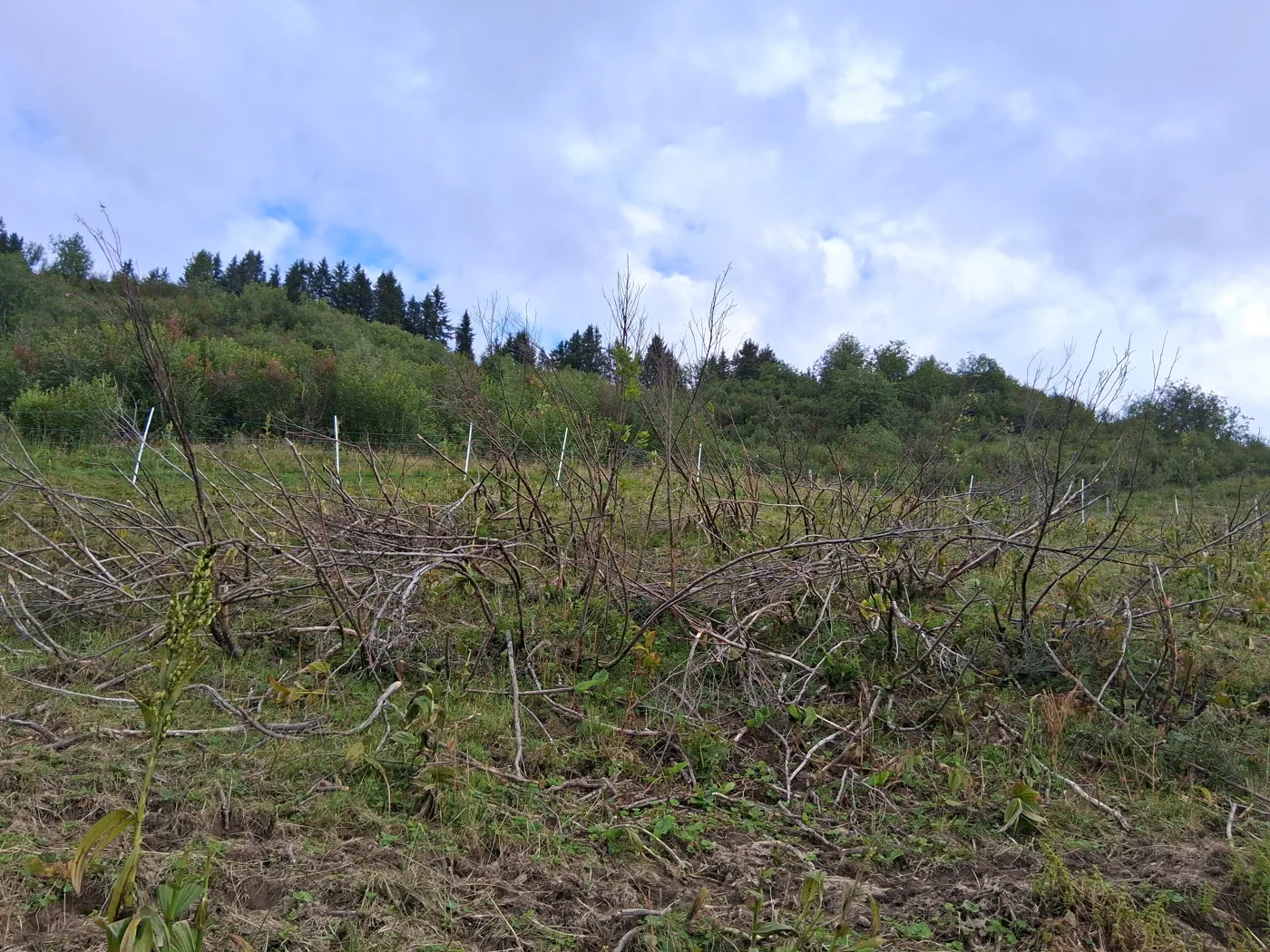
It is thanks to livestock that alpine pastures stay open. The AATT team works with farmers ready to host goats to reopen grazing areas used by the black grouse, and puts up the fences on the suitable plots.
Would you like to work with the AATT to put goats on your alpine pasture? Call us!
A few requirements
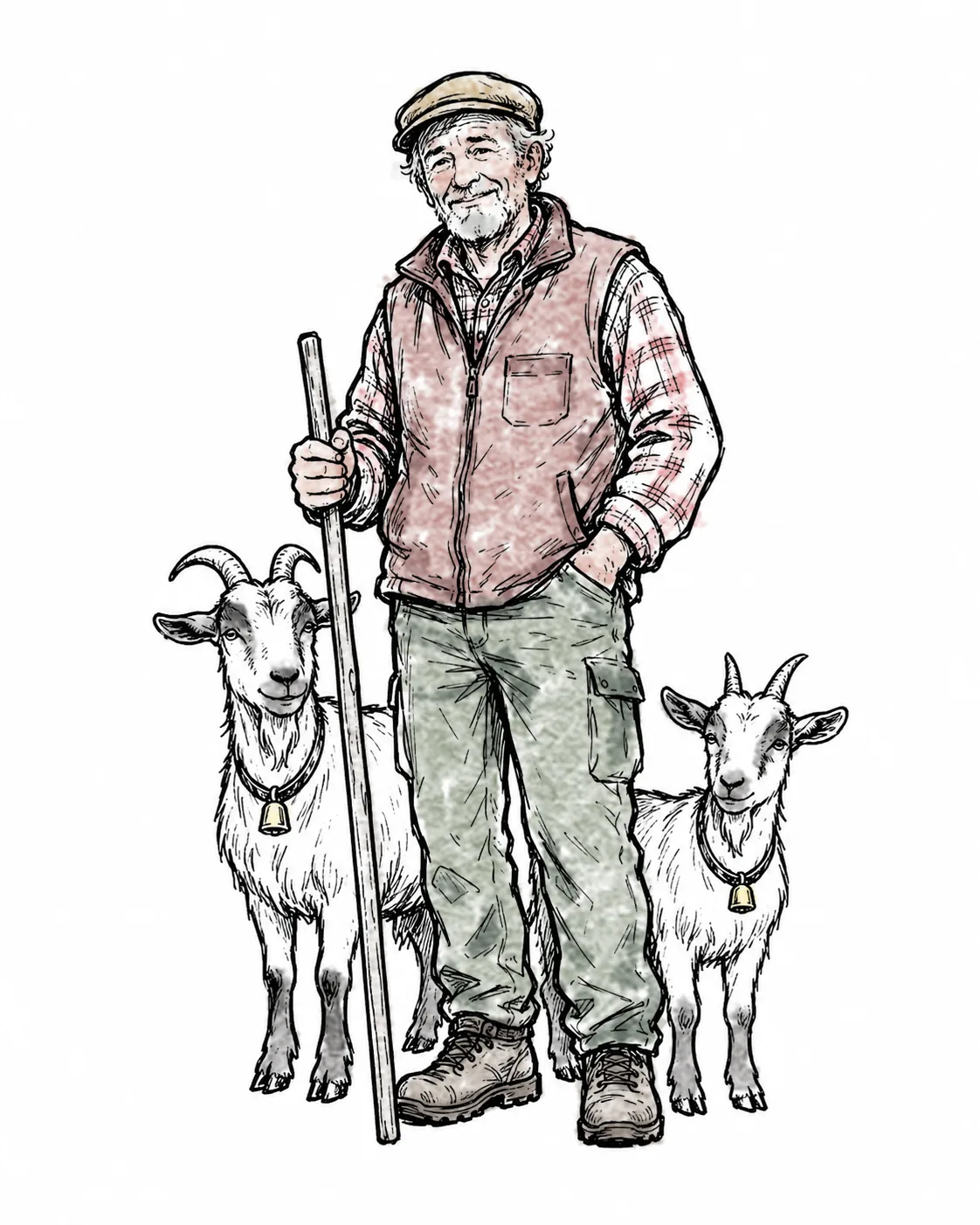
- Have black grouse displaying on the alpine pasture.
- Have areas of green alder (“vernes”) to clear.
- Be able to go and check that all is well with the goats at least every 2 days.
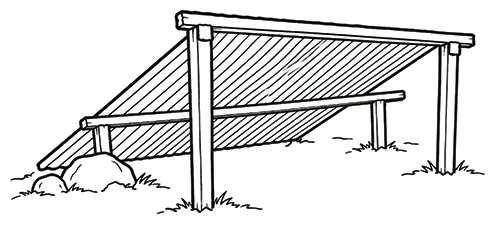
- Be able to set up a shelter for the goats.
- Be able to overwinter the goats.
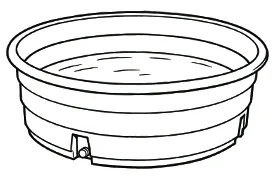
- Have water near the cleared area, so that the cows come back to it afterwards.
- Sign a 3-year agreement with the AATT, which sets out each party's responsibilities.
The benefits of working with the association
Setting up the paddocks
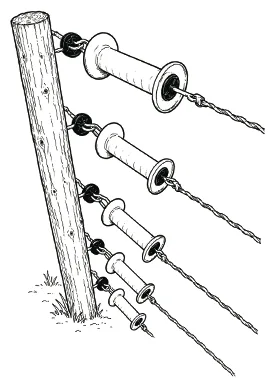
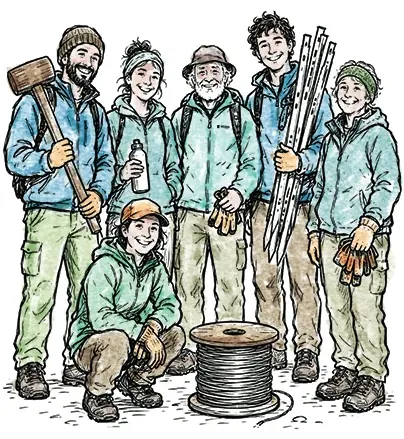
The AATT team sets up the 5-wire goat paddocks in June, with volunteers.
Equipment taken care of
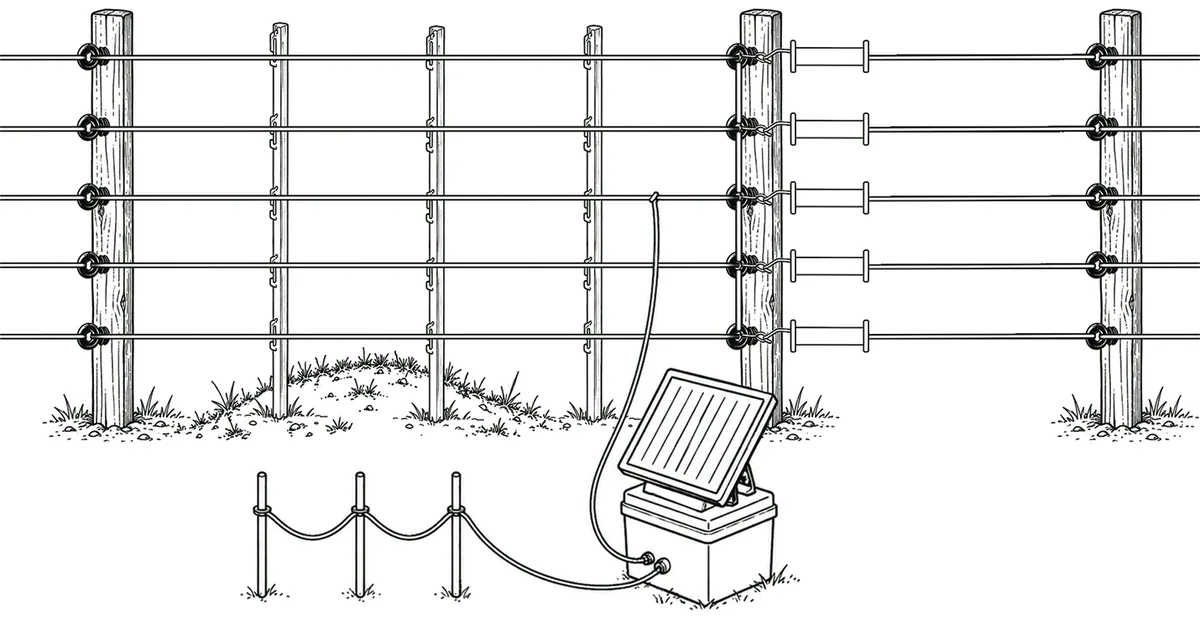
The AATT handles the logistics of buying and installing the equipment.
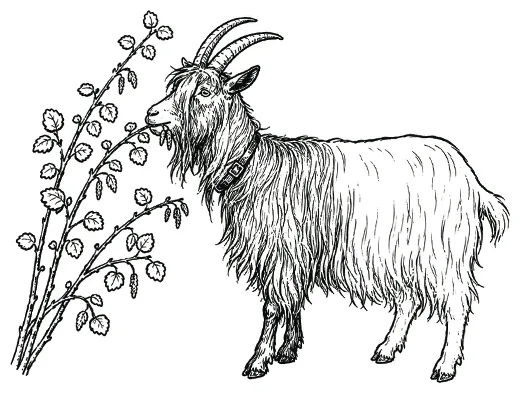
Goats found for you
The AATT can take care of finding goats and bringing them once the paddock is ready.
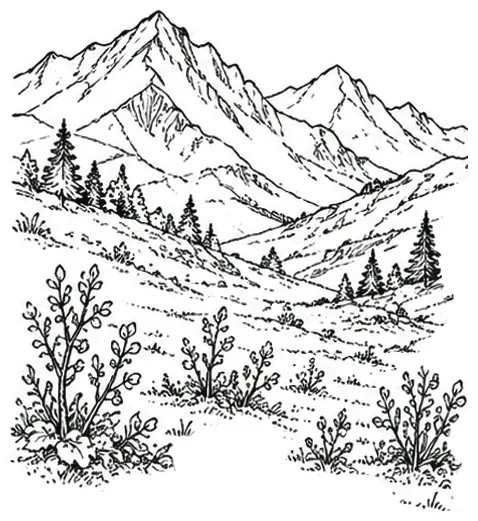
A lasting result
In areas cleared by goats for 3 years, the green alder does not grow back if cows trample the ground afterwards.
Who does what?
The AATT
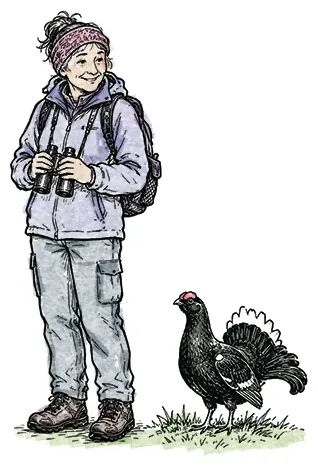
- Coordinates the black grouse specialist, the forester and the partners to choose a suitable plot.
- Finds goats that respect the 5 wires.
- Provides the equipment up front: posts, wires, insulators, solar energiser.
- Organises and supervises the volunteer work days for putting up and taking down the fences.
- Follows up the project and writes the annual reports.

You, the farmer
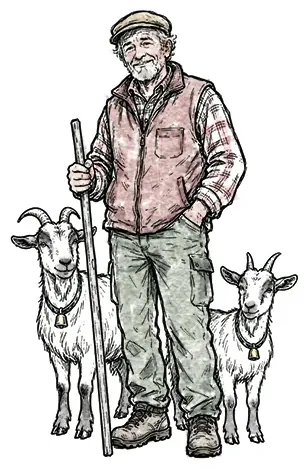
- Suggests plots that will later be used by their cattle, with water nearby.
- Hosts the goats over the summer, ideally from early June to mid-October depending on conditions.
- Checks the goats' health, the water, the current in the wires and the shelter every two days.
- Accepts the risks that come with the project, in particular that of a wolf attack.
All the steps to follow
Choosing the plot, preparing the ground, putting up the fences, finding the goats, monitoring the herd: the toolbox goes through the AATT's experience step by step. Would you like to do elsewhere what the AATT does? The whole process is explained there.
Any questions? Manue, 076 389 21 28 · aatt.tetras@gmail.com