Restoring black grouse breeding habitat with goats


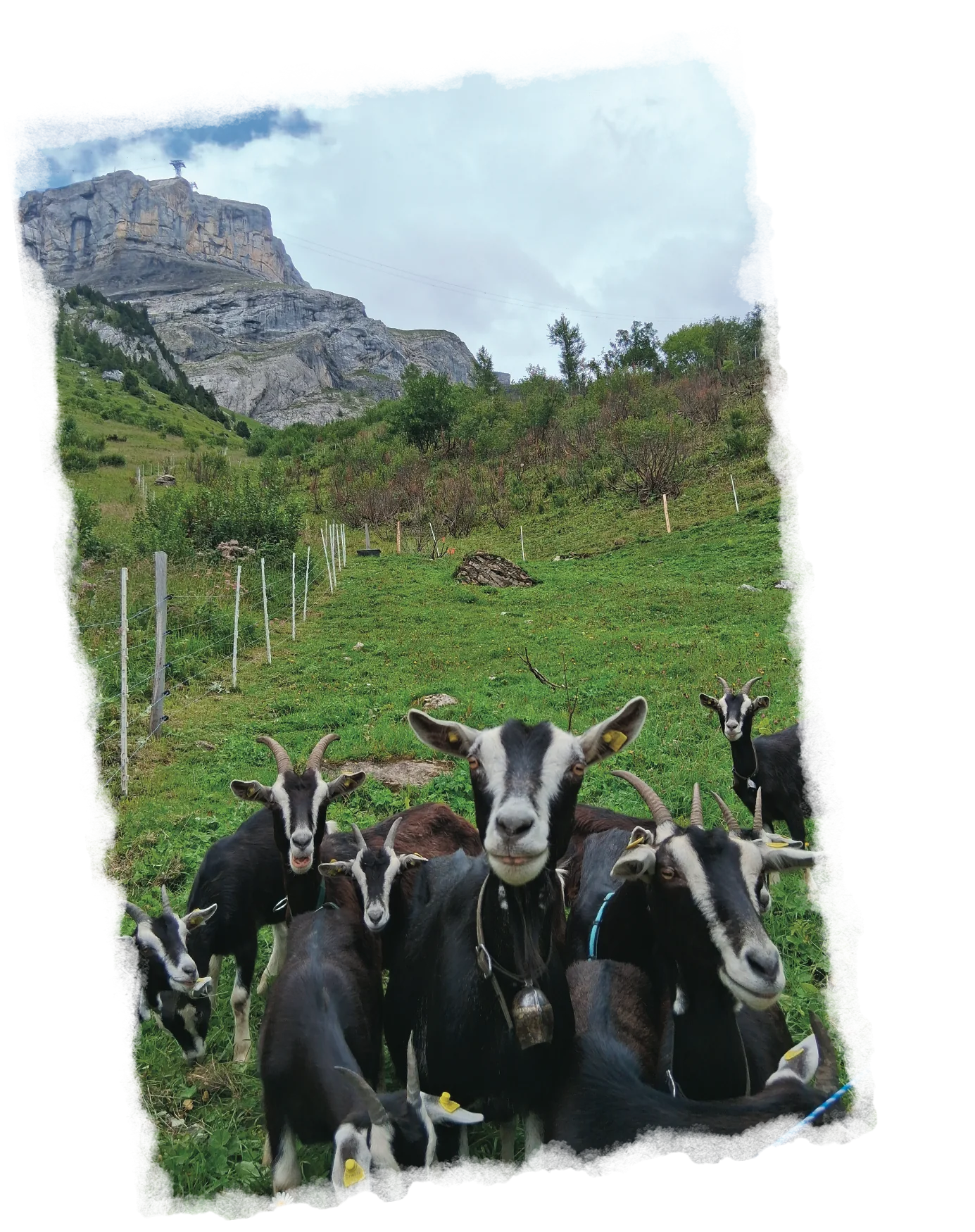



Restoring black grouse breeding habitat, thanks to goats







Why this project?
Why this project?
When green alder takes over
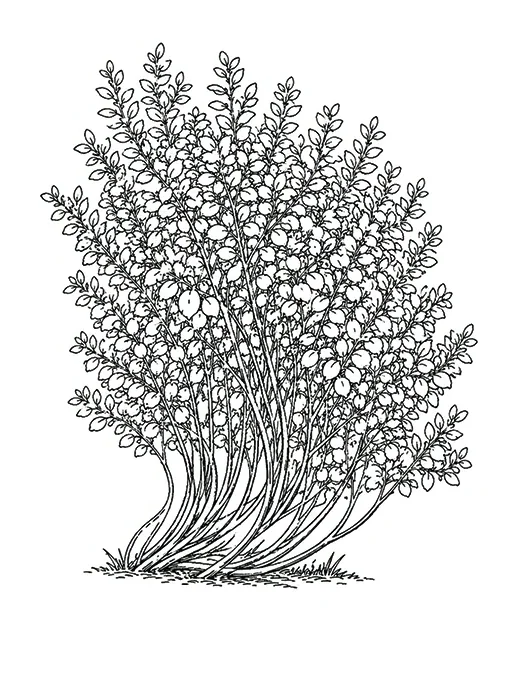
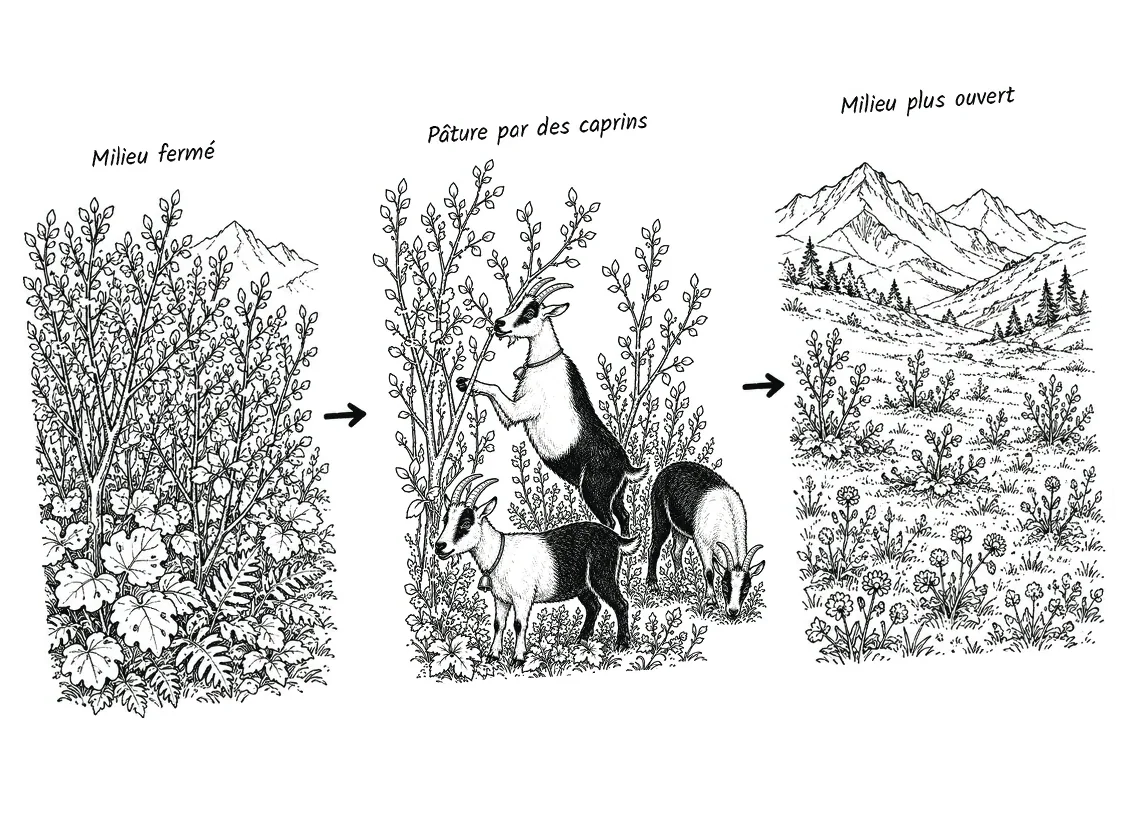
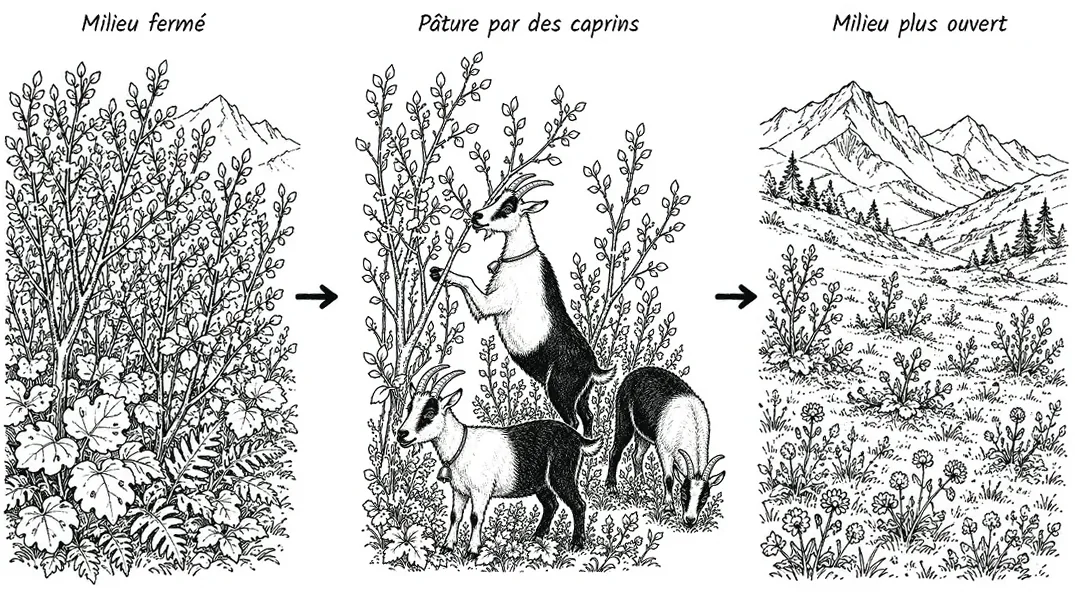
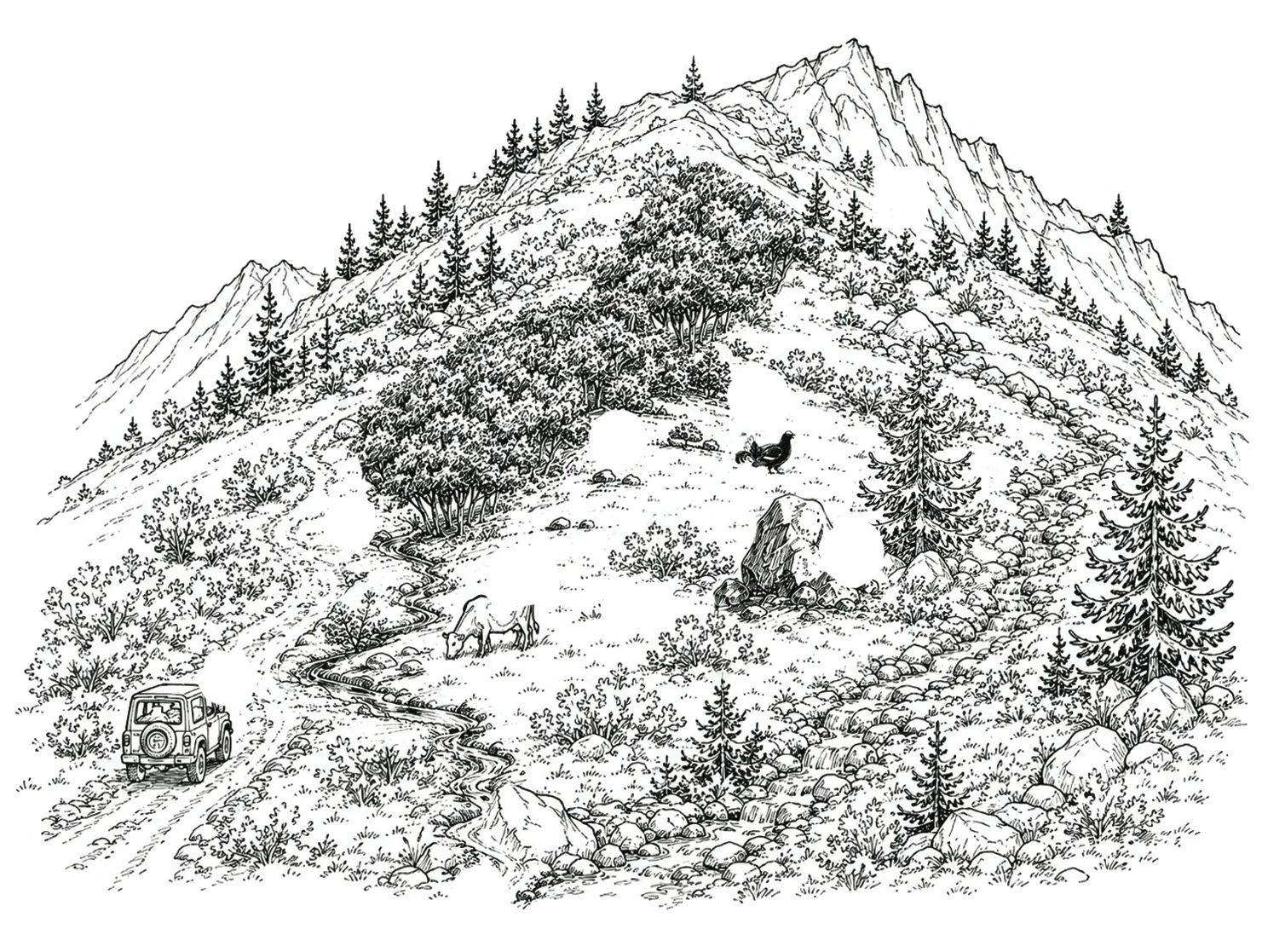
On many alps, green alder is gradually spreading over the pastures. As the land closes in, mountain biodiversity declines.
← drag to see the whole drawing →
Did you know?
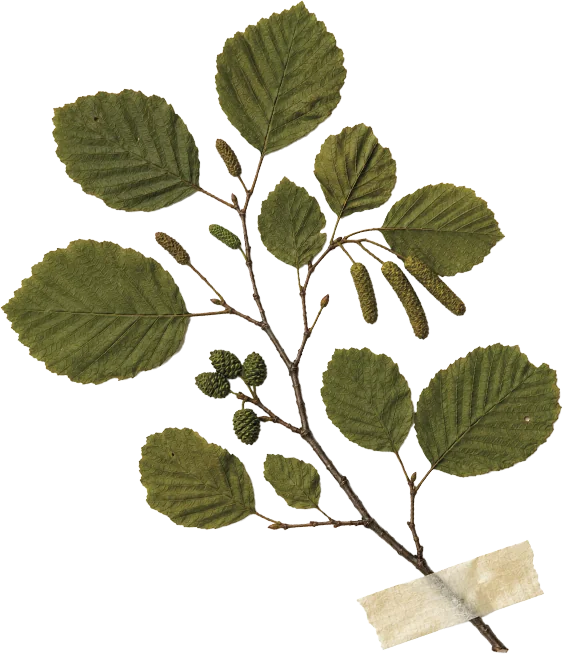
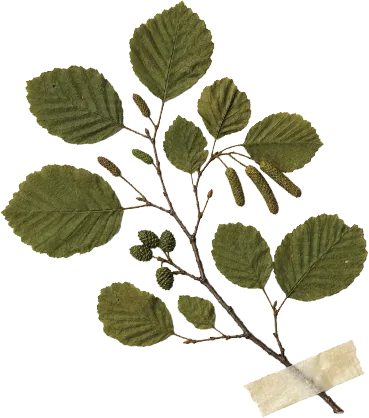
Green alder is known locally as “verne”. In symbiosis with a bacterium, this shrub acidifies the soil: only a dozen or so plant species can cope under dense alder scrub.
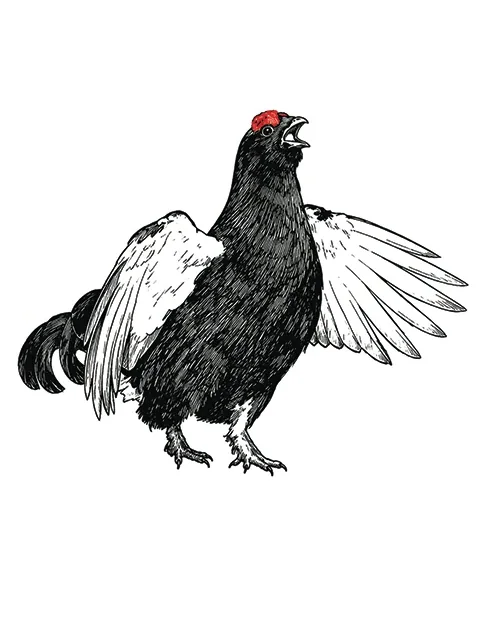
The black grouse needs a mosaic of landscapes made up of meadows, heath and clearings. When green alder becomes too dense, its breeding habitat is threatened: the lekking grounds close in and the habitats the chicks need for feeding become scarce.
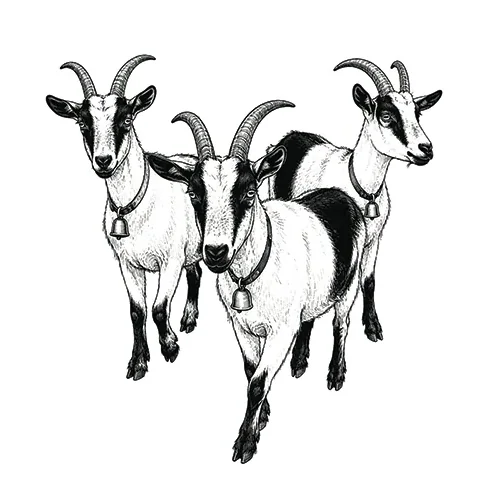
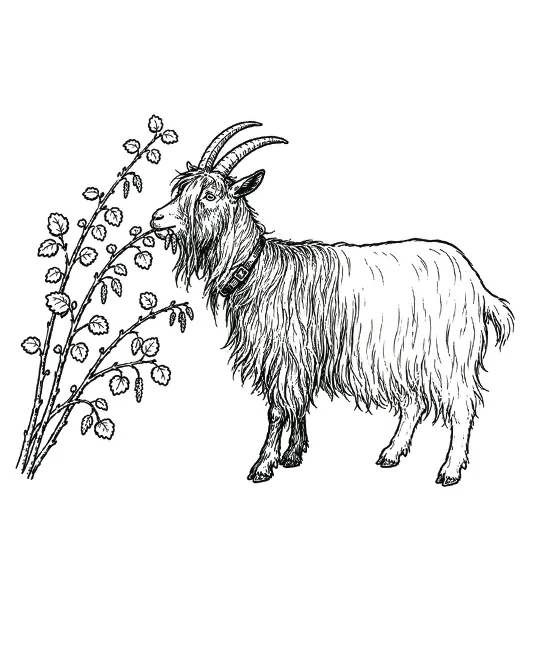
Goats like green alder leaves, then go for the bark of the shrubs, which eventually die back. They also readily eat the regrowth of alders that have been cut.
✎ Click on a step in the diagram.
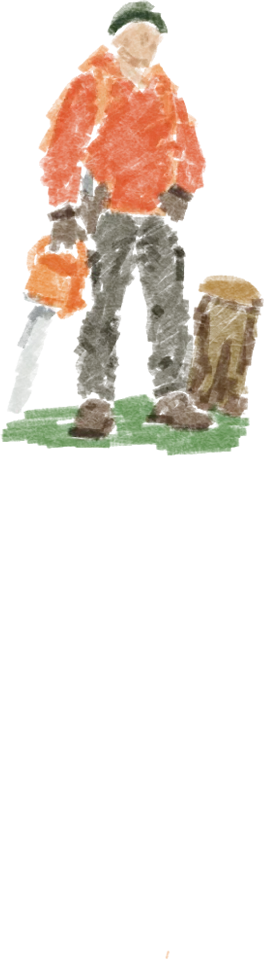
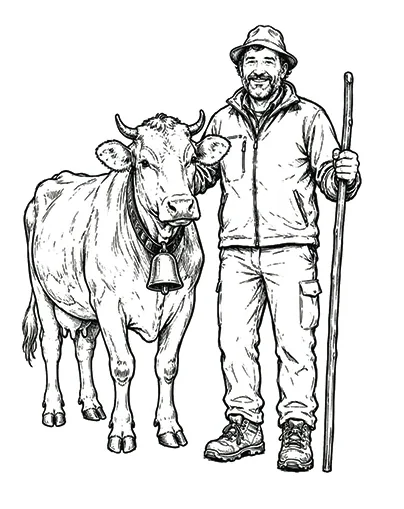
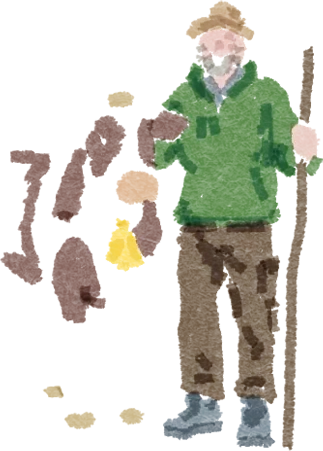
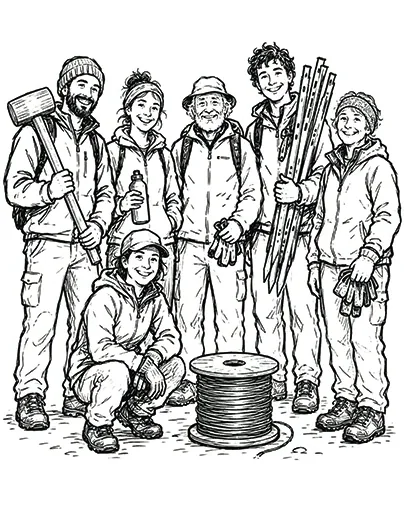
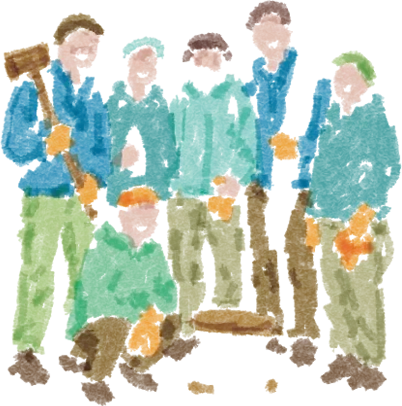
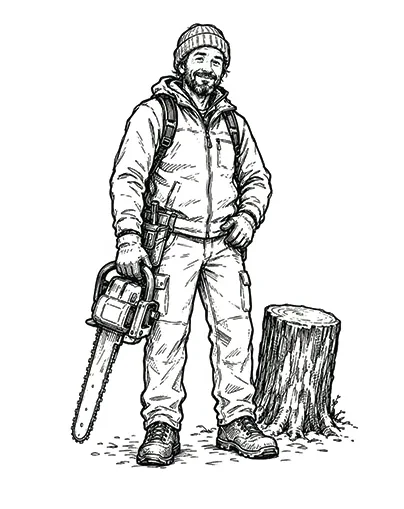




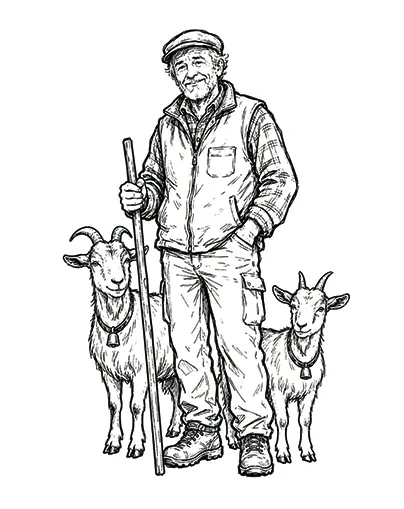
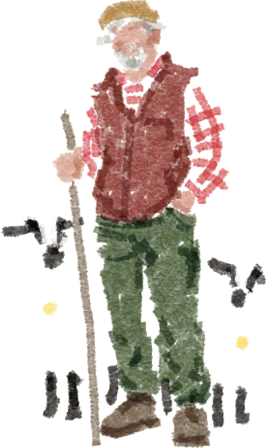

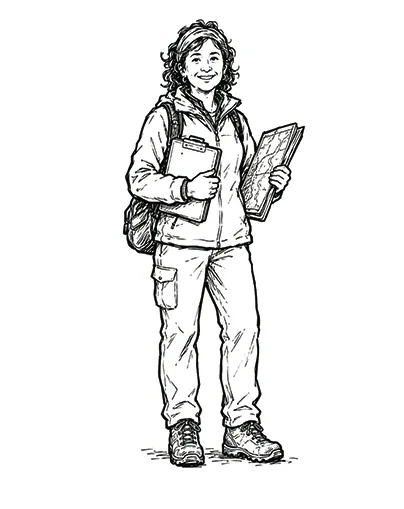
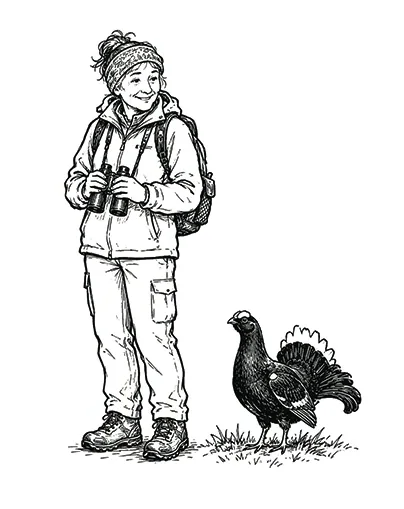
Roles in the project

Roles in the project
Alpine farm
Suggests plots that are useful for their cattle, with water nearby.
Hosts the goats over the summer.
Checks the goats’ health, the water, the current in the wires and the shelter every two days.
Accepts the risks that come with the project, in particular that of a wolf attack.
Black grouse specialist
Confirms that the species is present.
Confirms that the plot was part of the lekking grounds.
Avoids nesting areas and areas where the chicks feed.
Ideally organises monitoring of black grouse leks before, during and after the work.
Forestry service
Confirms that clearing the plot poses no problem.
Marks the trees and broadleaves to be kept.
If possible, clears the edge of the plot before the posts go in.
Coordination
Finds an alpine farm willing to take goats for the summer.
Looks for the goats, the volunteers and the funding.
Brings the partners together and coordinates them.
Organises the work days and the project follow-up.
Writes the annual reports.
Volunteers
Sign up for both proposed dates and do not cancel at the last minute.
Help put up the fences and shelters.
Come back to the same place in autumn and spring if they enjoy the work.
Ideally form a “team” at the site of their choice.
Goat owner
Provides docile animals.
Tells the team about their behaviour.
Makes sure the goats are healthy and has them checked for intestinal worms before the summer; a wormer is given if needed.
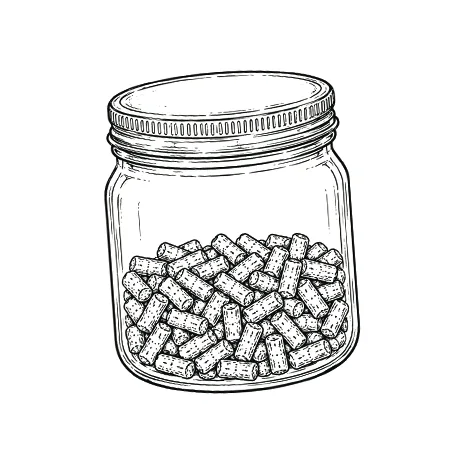
Supplies the recall pellets, the recall calls, and the salt and mineral lick.
Keeps track of the herd, remotely if they live far away.
Accepts the risks that come with the project, in particular that of a wolf attack.
✎ Click on a character to see their role.






Choosing the plot
Choosing the plot
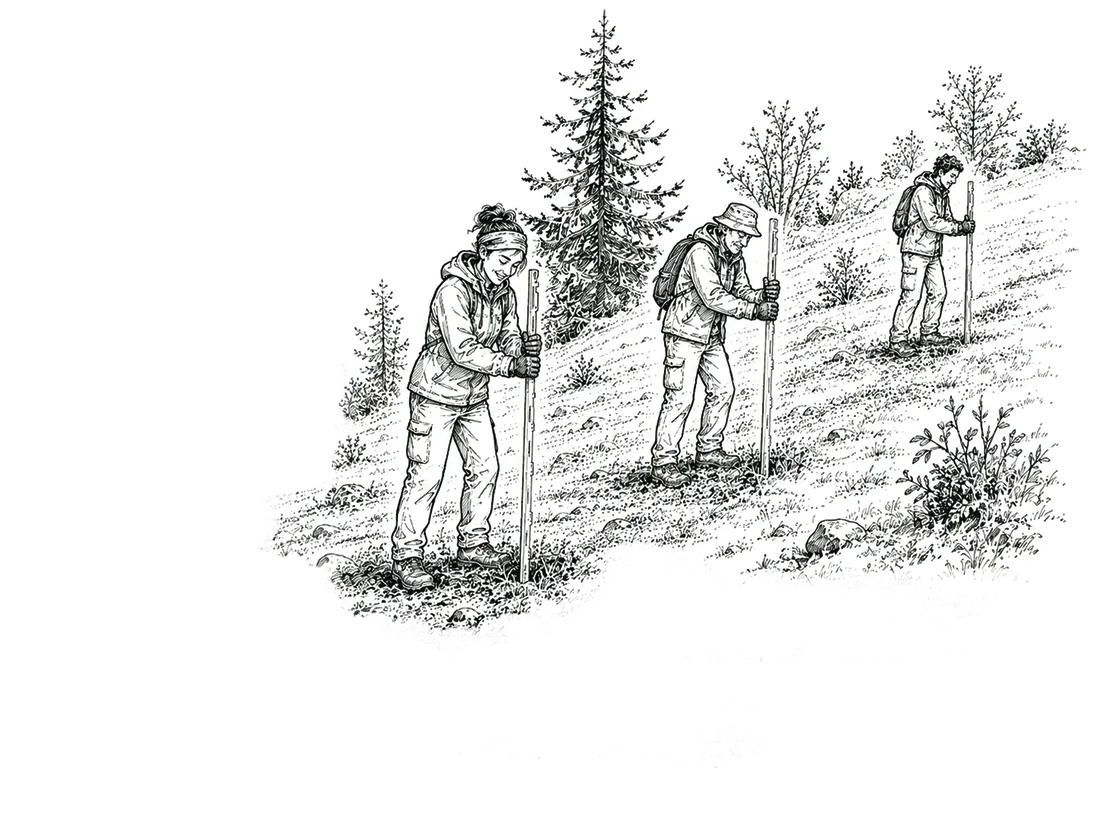
A well-chosen plot makes fencing easier, suits grazing by goats and then cattle, and brings the greatest benefit to the black grouse.
Steep slopes are not ruled out: the project targets exactly those areas that are hard to maintain with machinery but will later be used by cattle.
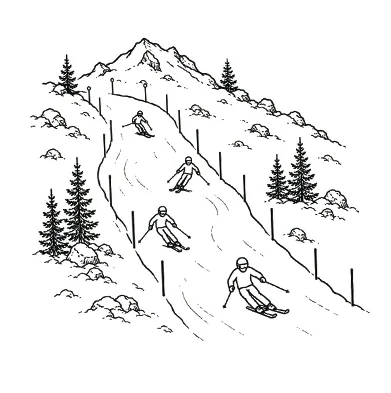
Avoid ski runs and avalanche zones so the wooden posts do not have to be removed.
Site visit
If possible, bring together the people who farm and own the alp, the coordination, the black grouse specialists and the forestry service. Failing that, visit the site before the snow and have the areas approved on a map.
✎ Hover over stamps 1 to 9.


Preparing the ground


Preparing the ground
Prepare before fencing
Preparing the ground well makes it much easier to put up fences on a new plot.
Steps
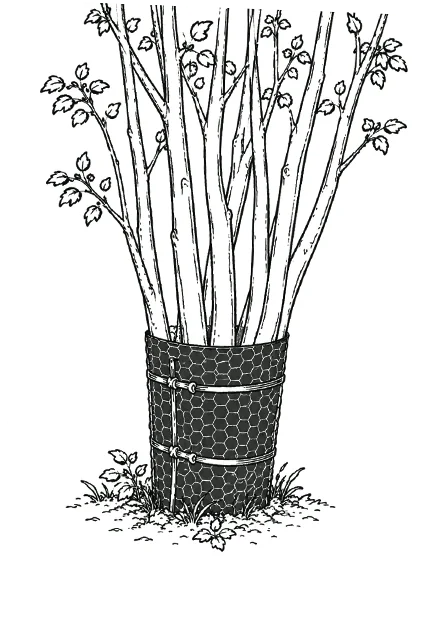
Protect notable trees.
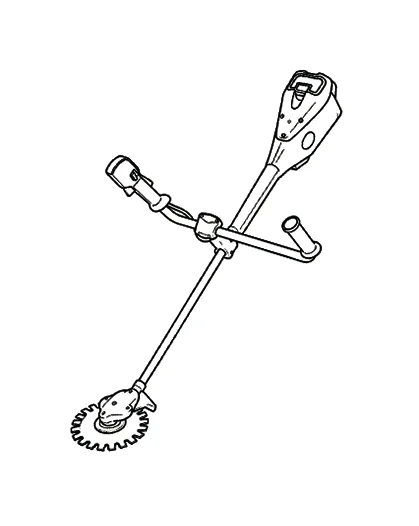
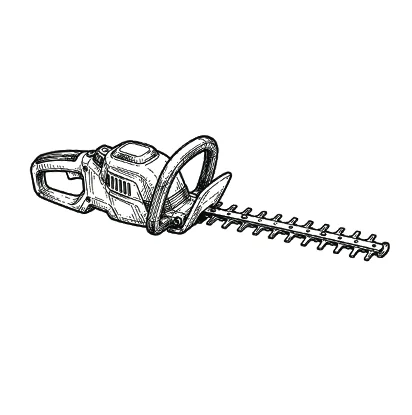
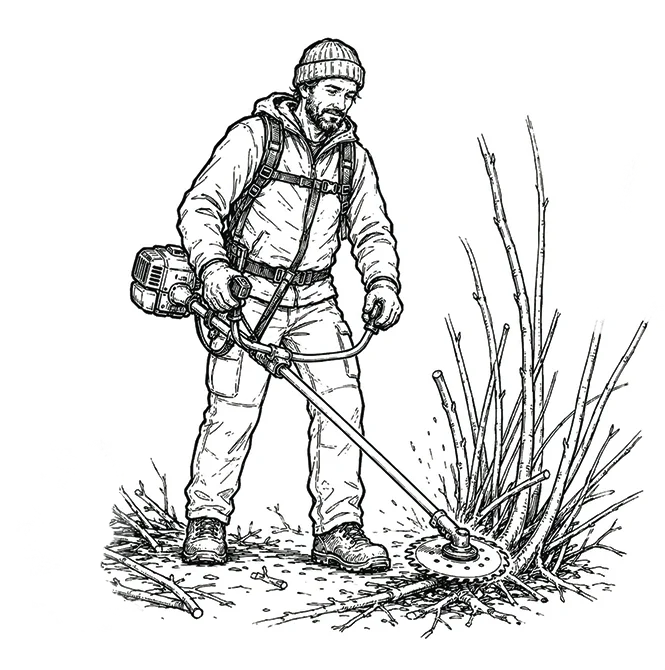
Cut the alders and trunks that are in the way, then clear perennial weeds, ferns, rhododendrons and heather with a brush cutter fitted with a blade.
✎ Tick off the steps as you go: the site remembers them.









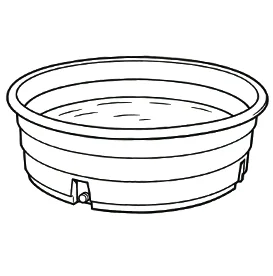
Planning paddocks, water and shelter





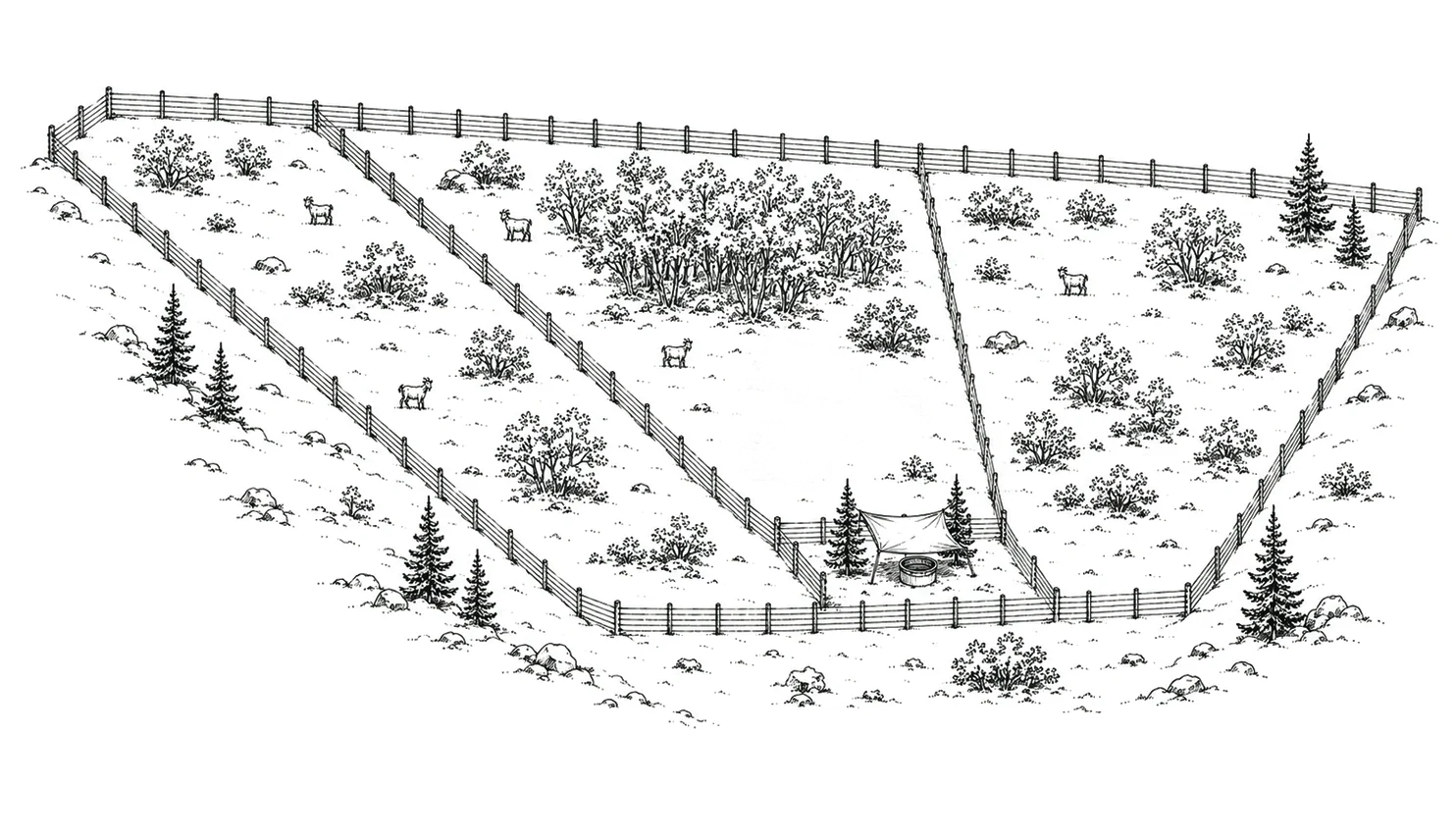
Planning paddocks, water and shelter
← drag to see the whole board →
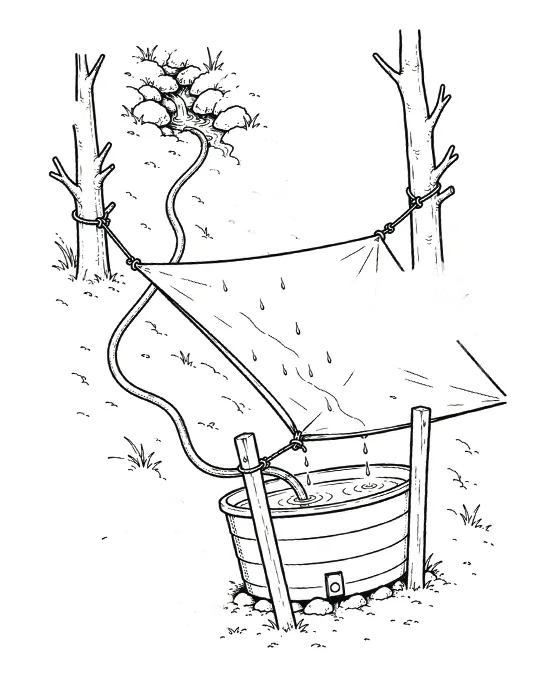
Plan the rotation from the start
Dividing the plot into three paddocks makes grazing more effective and limits the spread of intestinal parasites.
Avoid noises that frighten the goats
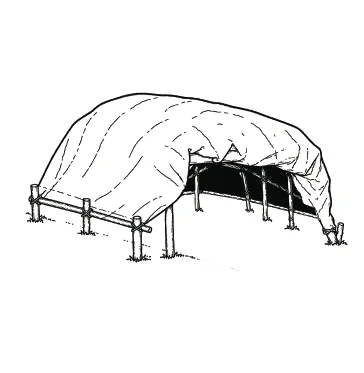
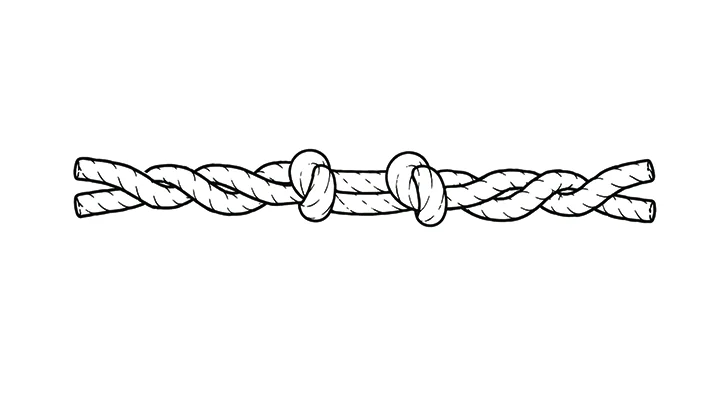
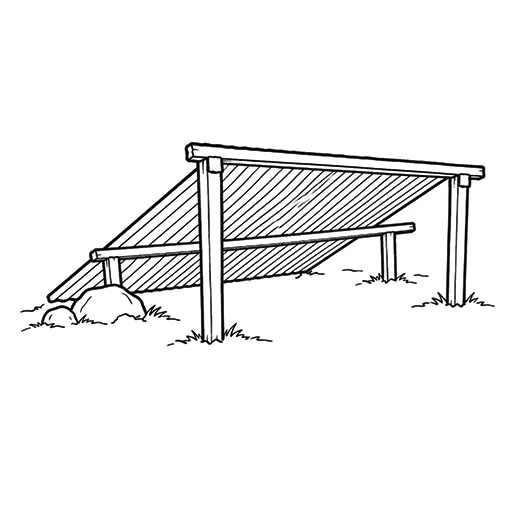
Pull the edges tight to limit the flapping that frightens the goats.
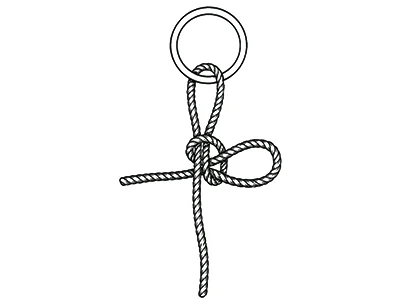
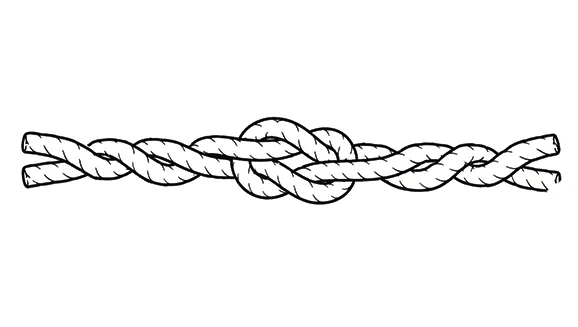
Tie each support post to the frame with a knot that is strong but easy to undo.
Withstand wind and storms
Avoid: stretching the tarpaulin between several trees exposed to the wind.
Solution: fix it in the green alder so that it can move with the shrubs during storms.
Stop the goats climbing on the tarpaulin
Avoid: a tarpaulin that touches the ground.
Solution: keep its lower edges out of the animals’ reach.
Protect the structure
Leave no loose ends sticking out.
Hide or fold back the ends.
Remove any leaves within reach, or protect the bark of alder branches if they are used in the structure.
Avoid pools of water
Go for an igloo shape or a tarpaulin with enough slope.









Putting up the fences

Putting up the fences
← drag to see the whole board →
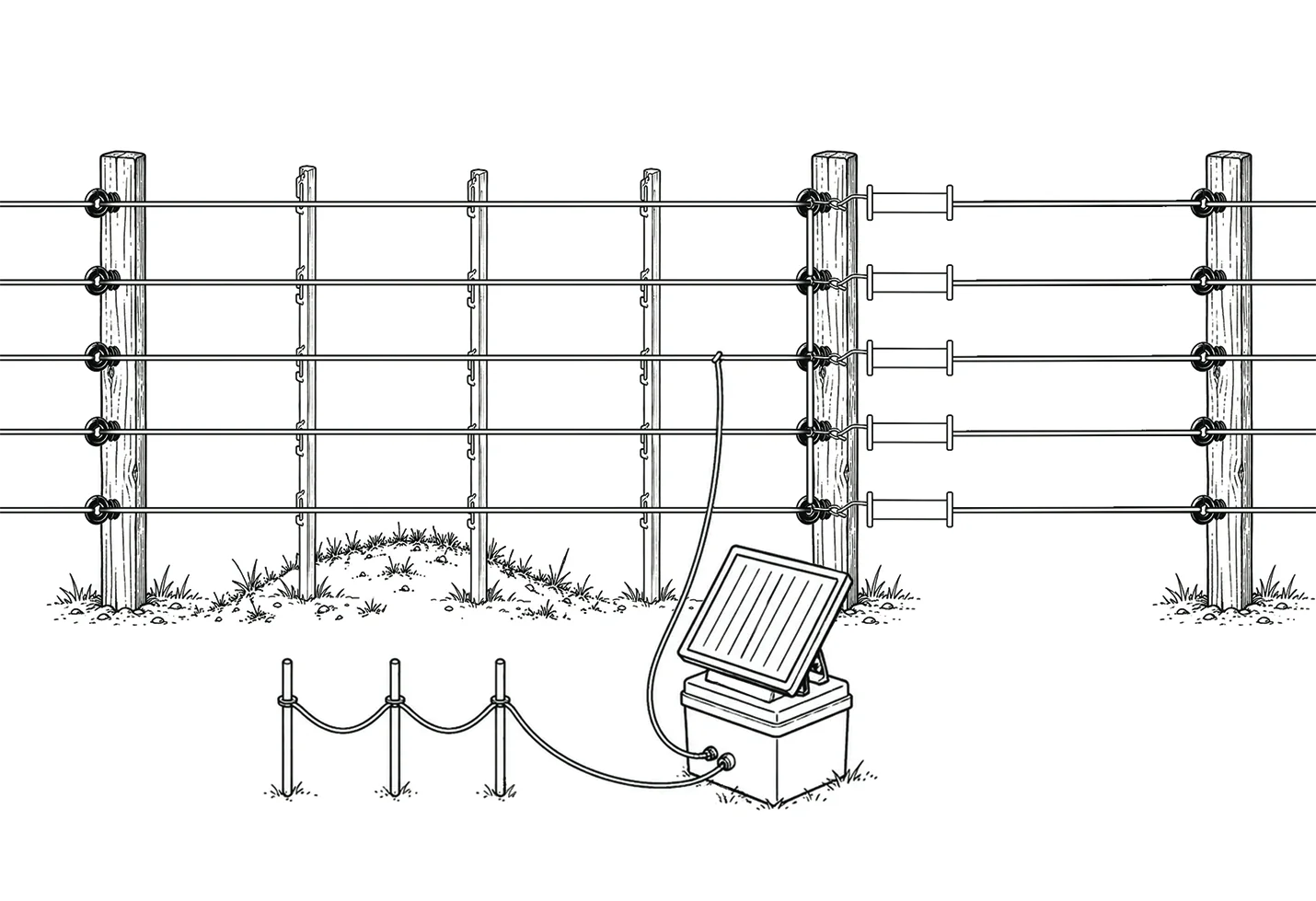
Rough figures for one hectare
About 60 wooden posts.
About 400 plastic posts.
About three plastic posts for each wooden post.
Add the plastic posts
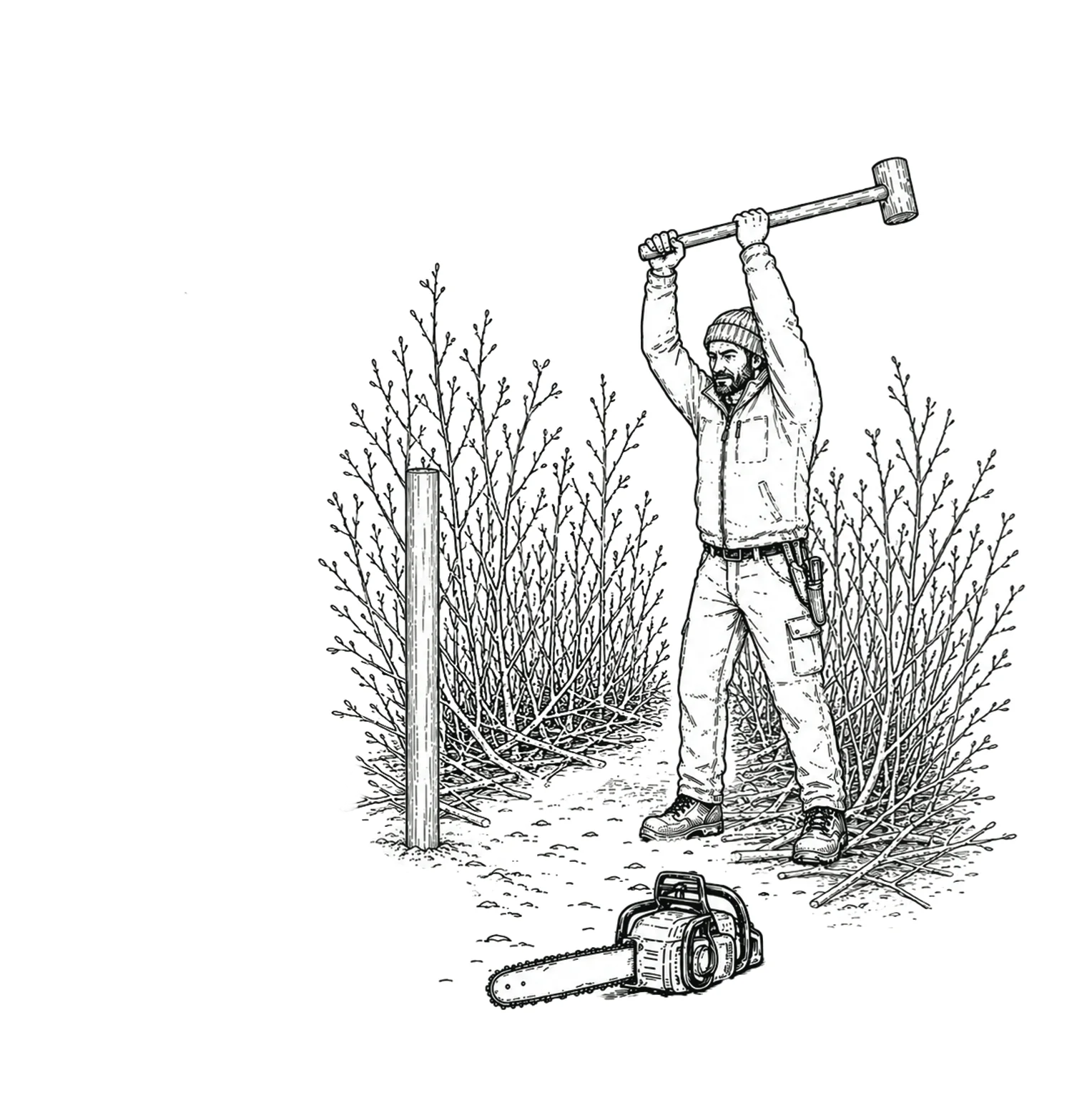
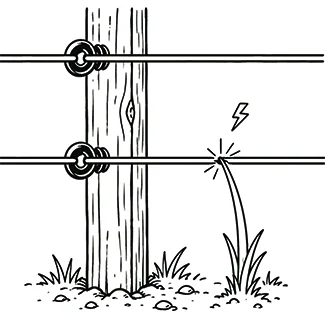
Use these posts to keep the lowest wire no more than 20 cm above the ground.
About one post every three to five metres, depending on the slope and how uneven the ground is.
Set the wooden posts
At corners and changes of direction.
About every ten metres.
Below bumps and at the bottom of dips.
Closer together on steep slopes.
Two posts close together on flat ground to make the gate.
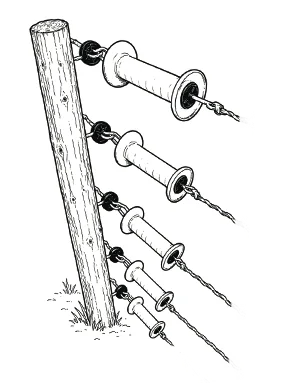
Fit the insulators
Plan for four to five electric wires.
Place the lowest wire no more than 20 cm above the ground.
Adjust the insulators in dips and on bumps to keep this height.
Add an extra insulator at the bottom where the terrain requires it.
Fit the wires and connections
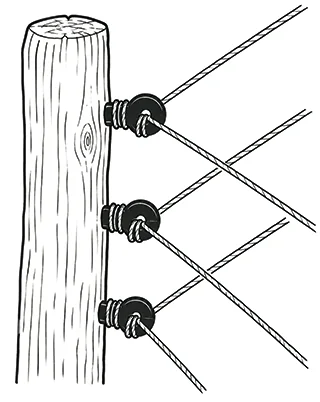
Wrap the wire at least twice around the insulators, and four times at the corners.
Pull the wires tight and secure them at the insulators.
Use good-quality electric wire with enough metal strands.
Connect the wires to each other near the solar battery and the gate, then every 200 metres.
Tie reliable knots to avoid current loss.
✎ Click on stamps 1 to 5 to follow the steps.



Organising the work days
Organising the work days
Day 1 — Preparation
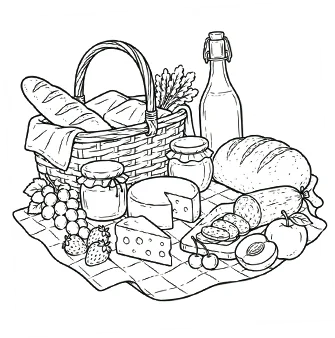
A generous picnic of local produce can make all the difference in keeping volunteers coming back!
Day 2 — Group installation
Protection against wolves
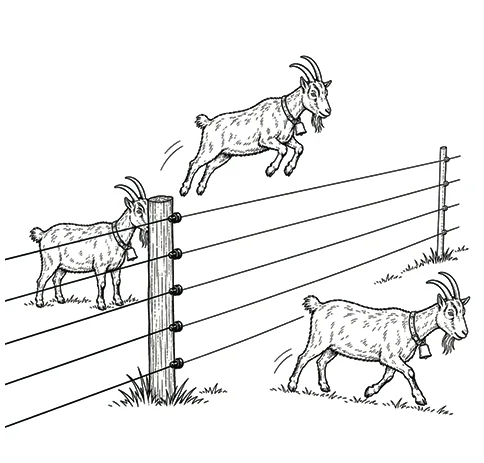
In Switzerland, a four-wire fence currently meets the requirements for compensation after a wolf attack. It does not, however, guarantee that no predation will occur. Depending on the goats, 5 or even 6 wires are needed to stop them escaping!
Typical team:
One person who coordinates, explains and hands out the tasks.
About 15 volunteers to create a new 1-hectare paddock.
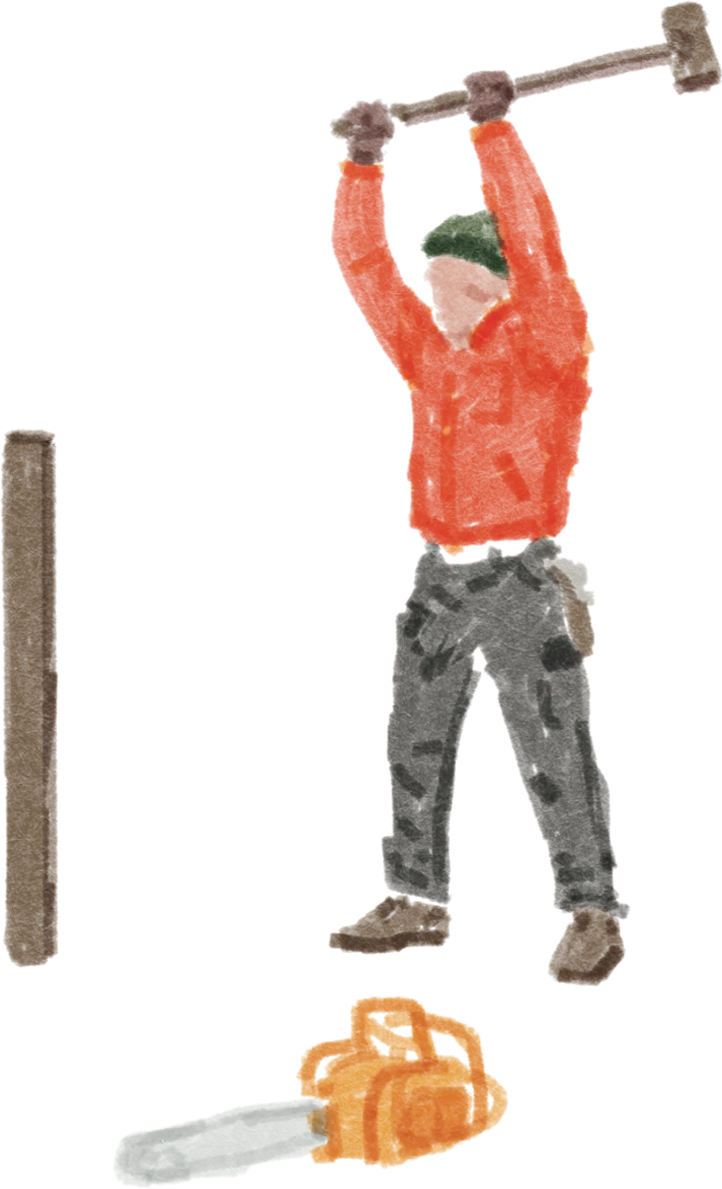
At least 4 people who know how to drive in wooden posts.
After that, about 8 people can be enough to put the fence up each year.
Plan for specialists for each type of task: it saves a lot of time.
The rest of the team sets the plastic posts, guided by someone who has done it before.
To unroll the wires: two people per reel, one unrolling the wire under tension, the other fixing it to the insulators.
If enough people are available, one person follows behind to clip the wires onto the plastic posts.
End of season: taking down
Plan to take down the wires and plastic posts, then store the equipment. A team of 4 to 6 people is enough.
Store the plastic posts with the hooks facing the ground and the wire reels under trees, sheltered from the snow.
Safety
Match tasks to each person’s fitness.
Put someone in charge of the first-aid kit, the cordless drill, etc.
Postpone the work day in heavy rain or dangerous weather.
Always plan a back-up date.
Finding the goats




Finding the goats
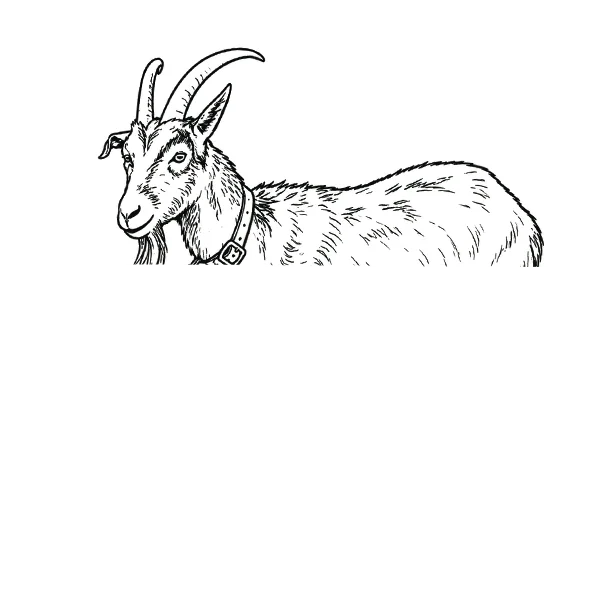
Docile animals for a successful project
Not all goats are suited to this kind of grazing. A few criteria make the project much more likely to succeed.
What we look for
Suckler goats kept for meat rather than milk.
Docile animals used to electric fences with four or five wires.
Help with monitoring from the owner, by phone if need be.
Droppings analysed, then wormer given as recommended.
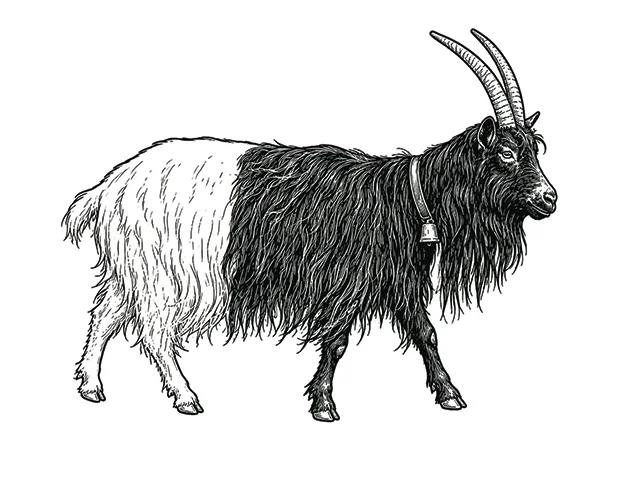
Rare old breeds are encouraged, especially those recognised by ProSpecieRara.
Old breeds are hardy and therefore particularly suited to areas taken over by green alder.
Green alder can turn milk yellowish, without affecting its taste or quality.
A fair exchange
The ideal partnership brings together someone looking for summer grazing for their goats and an alpine farm that has areas to clear.
The project takes place on a suitable area.
The goats provided are docile.
The owner brings the recall pellets, the recall calls, the salt lick with minerals, and their knowledge of the herd.
The commitment runs for at least three years, given the investment needed for the fences.
Another option
Goats destined for slaughter can also be used. They get a few extra months of mountain grazing before the end of their working life.
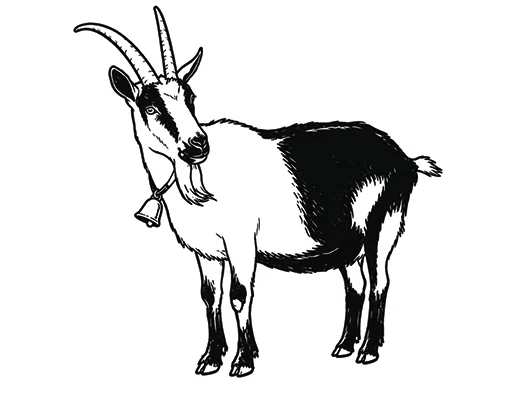
The breeds in the binder
✎ Click on a divider in the binder to see the breed.





Hosting and monitoring the herd




Hosting and monitoring the herd
Regular monitoring is essential
It helps spot problems quickly, keep an eye on the herd’s health and make sure the fence is working properly.
Every 2–3 days
Keeping the goats on the plot day and night maximises the effect of grazing and the impact on the green alder.
Every 2 weeks
A goat that gets through the fence twice must be removed from the herd. Otherwise it may lead the other animals out of the paddock.
Do not bring them cut branches: browsing the green alder in the paddock encourages them to strip its bark as well.
Making recall easier
Shaking the pellets while calling the goats makes them want to come back to the person looking after them. This habit makes it easier to move the herd and to bring animals back if they escape.
✎ Tick off the checks you have done: the site remembers them.

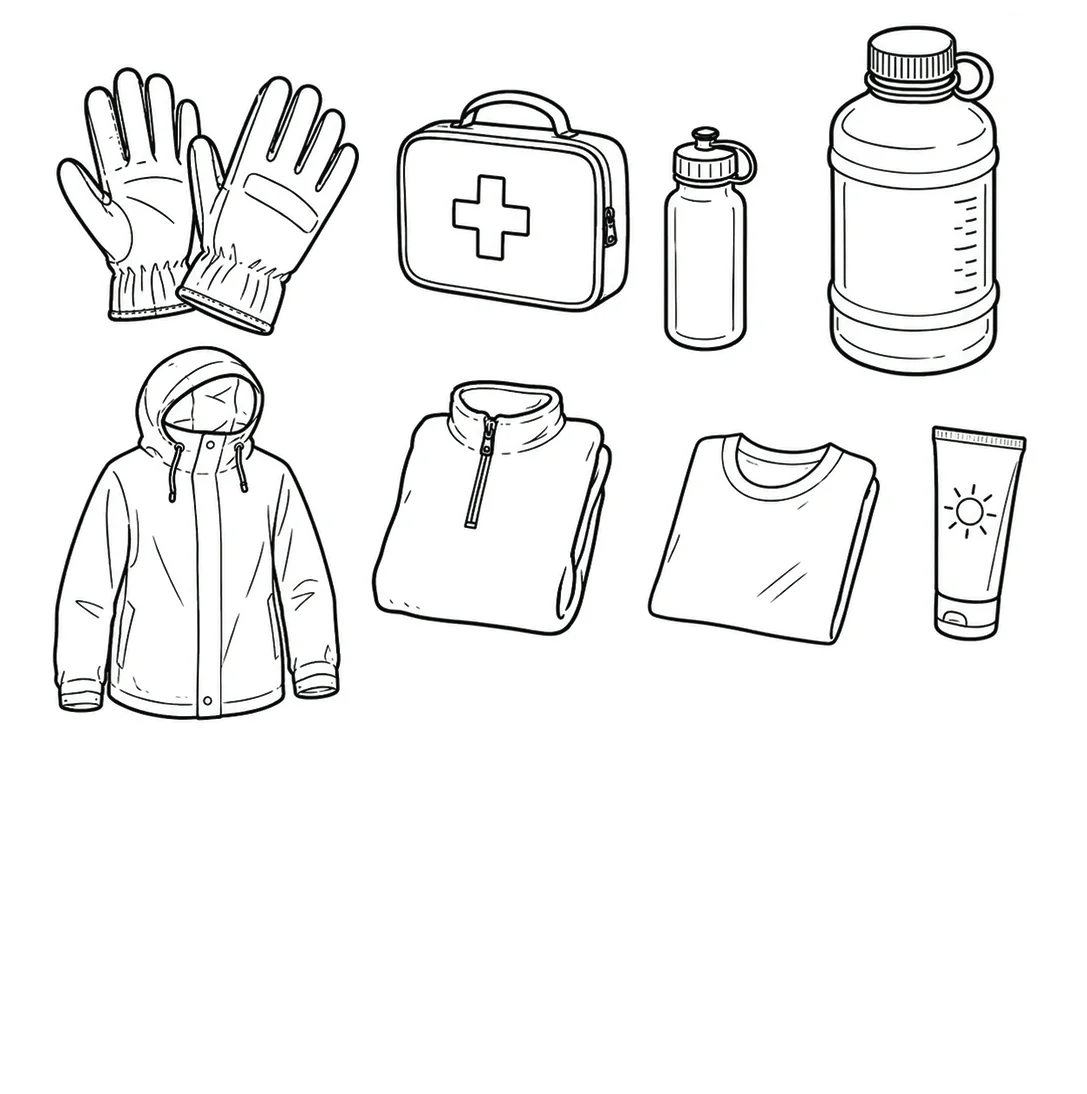

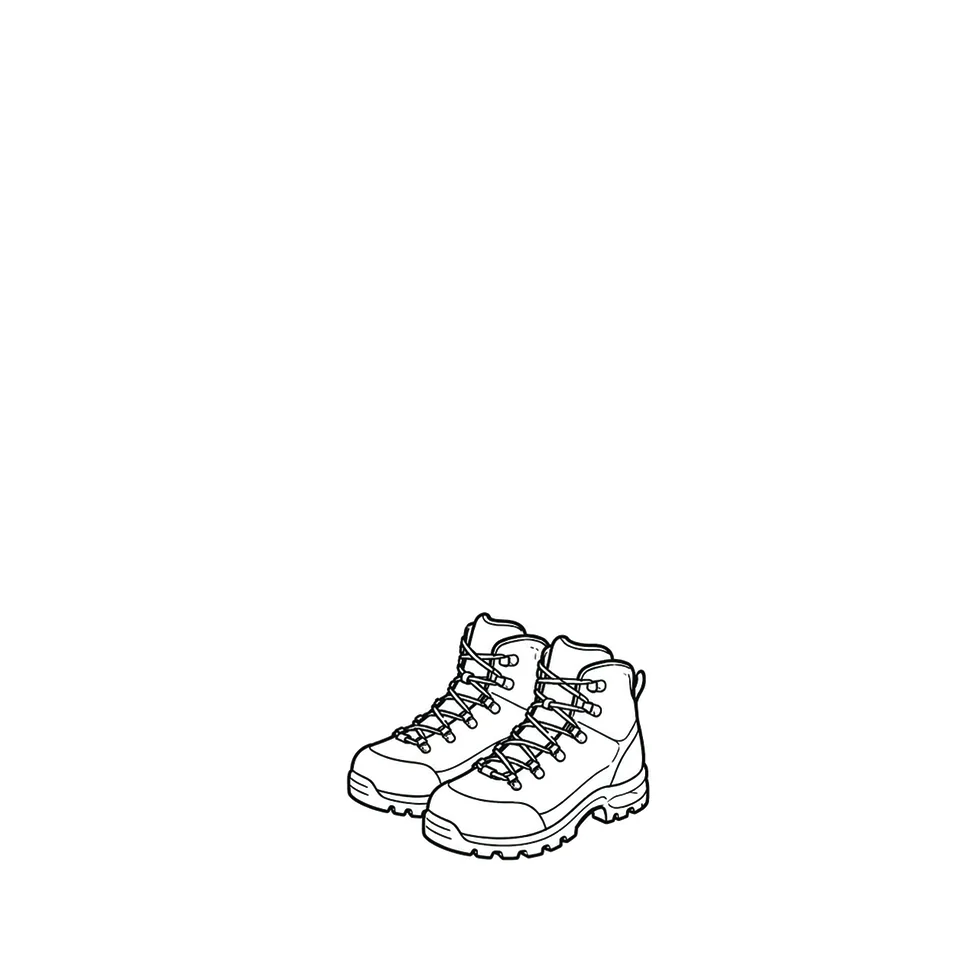
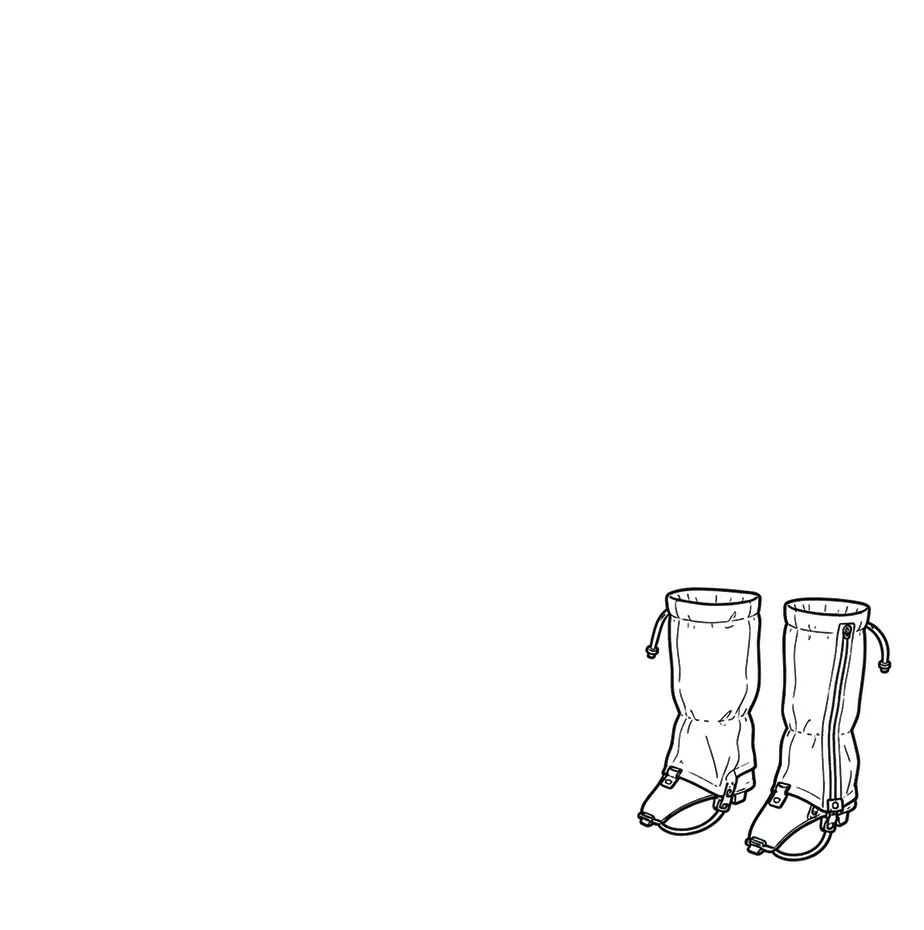
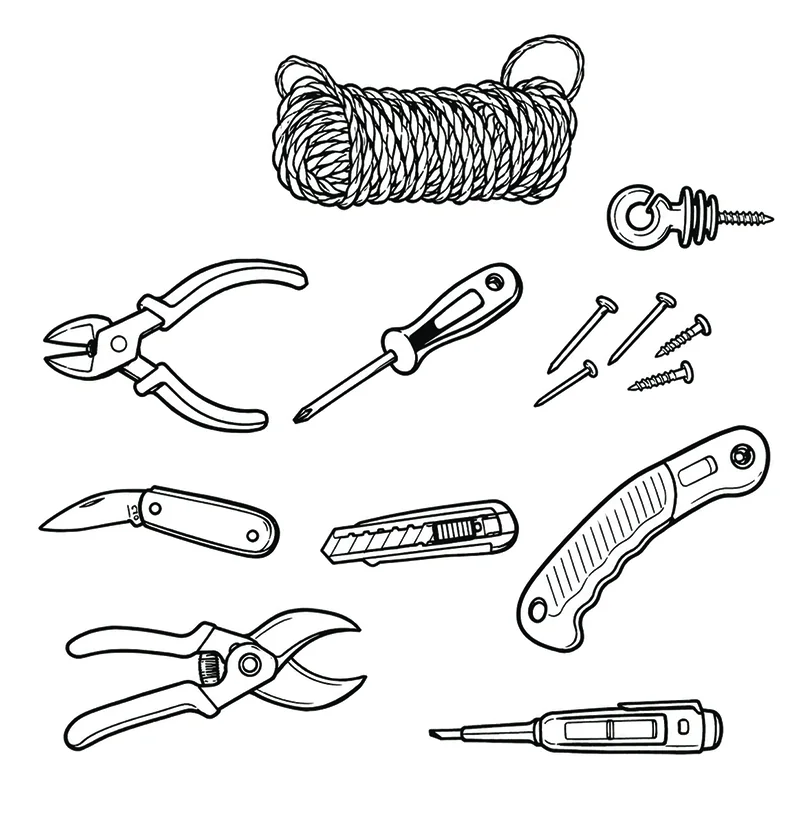
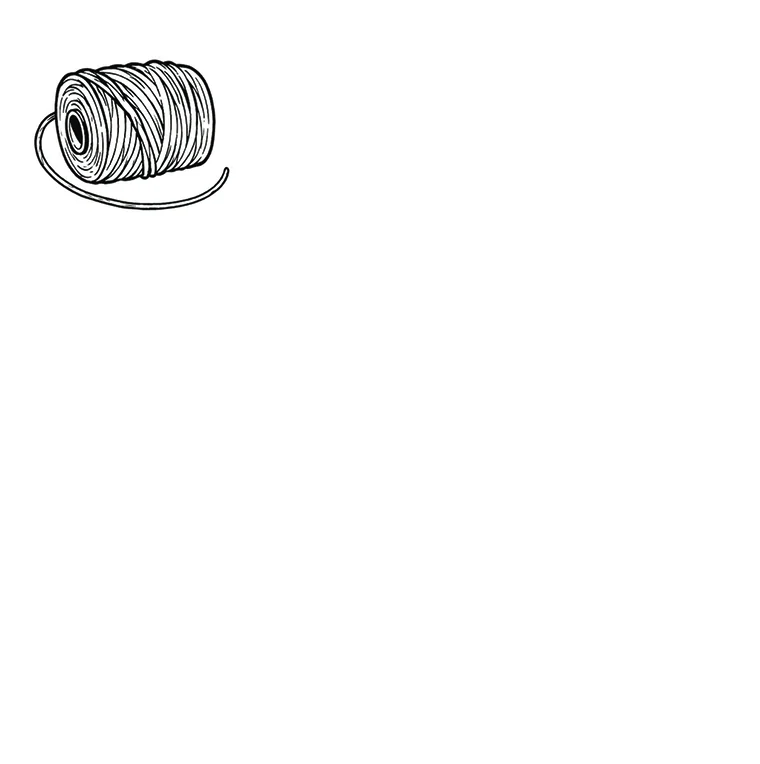





The field kit

The field kit
For repairing the installations
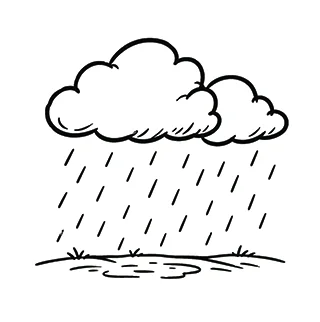
Check the equipment and the weather forecast. Working in the rain puts volunteers off… Always plan a back-up date.
For working safely
✎ Tick off what is in the bag, or print the list.





Results & benefits
Many thanks to our funders
Results & benefits
A project with many benefits
Goat grazing restores habitats that suit the black grouse while making the most of pastures and of mountain farming know-how.
For mountain farming
Areas taken over by green alder opened up again.
Land no longer available to cattle put back to use.
Recognition of the demanding work of mountain farming, and of its way of life.
Promotion of local produce.
For biodiversity
More open and varied habitats.
Refuge areas maintained.
Good for insects, arachnids and various plant species.
Natural dynamics supported.
For the black grouse
More areas suitable for breeding.
Lekking grounds opened up again.
More habitats where the chicks can feed.
For old breeds
A role for hardy goats.
Support for breeds recognised by ProSpecieRara.
Many thanks to our funders